Organic Wheat vs Normal Wheat In USA: Which One Is Better for Health?
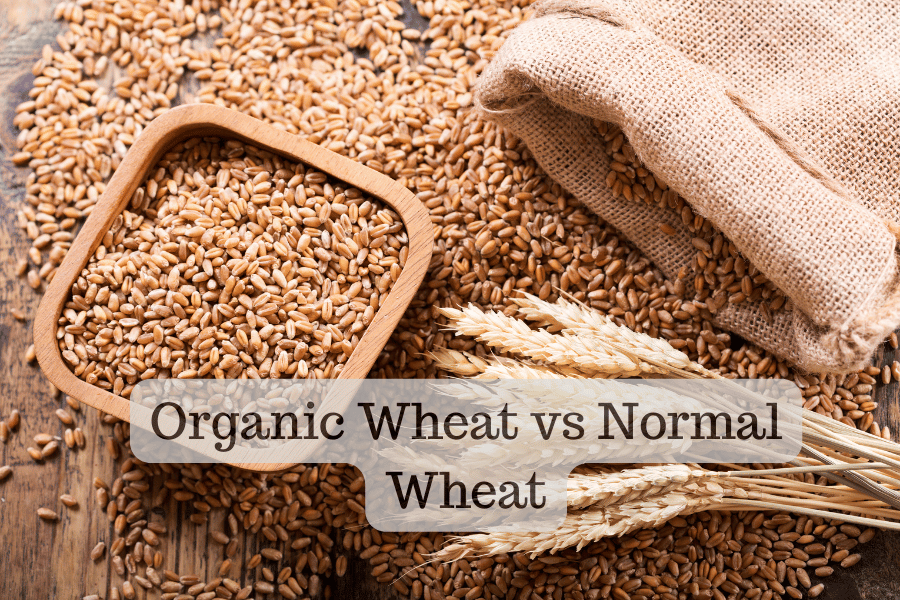
Organic Wheat vs Normal Wheat – Which One Is Better for Your Health?
Wheat is one of the most common grains in the world, and most of us eat it every single day—whether through chapati, bread, pasta, or breakfast cereals.
But with rising concerns about pesticides and food quality, many people are shifting toward organic wheat.
Is it actually better?
Does it make a difference to digestion, energy levels, or overall health?
This guide breaks it down in a simple, honest, and easy-to-understand way.
What Is the Main Difference Between Organic Wheat vs Normal Wheat?
Organic wheat is grown without:
- Chemical fertilizers
- Pesticides
- GMOs
- Artificial growth boosters
Normal wheat is usually grown in large-scale farms using:
- Pesticides
- Chemical fertilizers
- Preservatives during storage
The grain may look the same, but the way it’s grown and processed makes a big difference in quality and nutrition.
1. Organic Wheat Has Fewer Chemicals (Safer for Long-Term Health)
One of the biggest concerns with regular wheat is pesticide residue.
Over time, consuming foods with chemical traces can impact:
- Hormonal balance
- Liver health
- Digestion
- Immunity
Organic wheat avoids this entirely.
For families with children, elderly members, or anyone trying to reduce chemical intake, organic wheat is a safer choice.
2. Organic Wheat Retains More Natural Nutrients
Organic farming focuses on soil health, which directly affects the nutrition of the grain.
Organic wheat contains:
- More antioxidants
- Higher fibre
- Better mineral content
- Natural oils that support digestion
Normal wheat often loses nutrients due to aggressive farming methods and polishing.
3. Better Digestion and Less Bloating
Many people say they feel lighter and more energetic after switching to organic wheat.
Here’s why:
- No chemical residue
- Higher fibre content
- Wheat enzymes are preserved
- Easier breakdown in the stomach
Regular wheat may sometimes cause:
- Gas
- Bloating
- Indigestion
- Heavy feeling after meals
Organic wheat’s clean and natural structure makes it easier on the gut.
4. Tastes Better and Feels More Natural
Most people notice a difference in:
- Aroma
- Texture
- Freshness
- Dough quality
Rotis made from organic wheat tend to:
- Stay softer longer
- Have a natural earthy aroma
- Taste fuller and richer
If you bake bread or cook frequently, the difference is noticeable.
5. Lower Risk of Allergies and Sensitivities
Some people feel discomfort when eating normal wheat—not because of gluten alone, but because of chemical exposure.
Organic wheat avoids:
- Pesticide residue
- Storage fumigation chemicals
- Artificial preservatives
For people with mild sensitivities, organic wheat is often better tolerated.
6. Supports Sustainable Farming
Choosing organic wheat supports:
- Cleaner soil
- Chemical-free farming
- Better farmer health
- Eco-friendly agriculture
It’s not only better for your body—but also for the planet.
Which One Should You Choose? (Honest Answer)
If your priority is:
- Clean eating
- Better digestion
- Fewer chemicals
- Long-term wellness
Then organic wheat is clearly the better option.
However, good-quality normal wheat from reliable sources can still be part of a healthy diet.
The key is knowing where your wheat comes from and how it’s grown.
How to Identify Good Organic Wheat (Simple Tips)
Look for:
- Light brown, natural color
- No strong chemical smell
- Non-polished grains
- Certifications: USDA Organic, India Organic, EU Organic
- Brand transparency on packaging
If buying from UAE or USA:
- Check expiration date
- Look for “No Preservatives” mention
- Choose brands with clean sourcing practices
Is This Wheat More Expensive?
Yes, usually it costs a little more—because:
- Yield is lower
- No chemical boosters
- Farming is labor-intensive
- Storage is natural
But the long-term health benefits often outweigh the cost difference.
Think of it as choosing better-quality fuel for your body.
Final Thoughts
Organic wheat isn’t a trend—it’s a return to how wheat was always meant to be grown.
If you want clean food, fewer chemicals, and better digestion, switching to organic wheat is a simple and meaningful change.
Even if you replace half of your regular wheat intake with organic wheat, it can make a noticeable difference to your daily well-being.
Small steps matter.
FAQs
Is this wheat healthier than normal wheat?
Yes. It has fewer chemicals, better nutrient retention, and is gentler on digestion.
Does it taste different?
Many people find organic wheat more flavorful, aromatic, and natural.
Can organic wheat help with bloating?
Yes. Many users report lighter digestion and reduced heaviness.
Is this gluten-free?
No. Both organic and normal wheat contain gluten.
Where can I buy organic wheat in UAE or USA?
- UAE: Amazon.ae, Kibsons, Organic & Real
- USA: Amazon.com, Whole Foods, Sprouts, Indian grocery stores










Post Comment