10 Benefits of Organic Jaggery

Organic Jaggery and Why It’s Better Than Regular Sugar
When most people think of sweeteners, sugar is the first thing that comes to mind. But in many homes—especially in India, the UAE, and now increasingly in the USA—organic jaggery has quietly made its way back into kitchens.
Organic jaggery isn’t just a sweetener. It’s a natural ingredient with minerals, antioxidants, and digestive benefits that regular sugar simply cannot offer.
If you’re trying to eat cleaner, reduce chemicals in your diet, or choose healthier sweet options, organic jaggery is one of the simplest changes you can make.
Below are 10 honest, research-backed benefits that make organic jaggery better and healthier than refined sugar.
1. It’s Free From Chemicals and Synthetic Additives
Most regular jaggery available in the market is processed with:
- Bleaching agents
- Sulphur
- Superphosphate
- Artificial color
Organic jaggery, on the other hand, is produced using:
- Clean sugarcane
- No chemical clarifying agents
- Traditional, natural filtration
This means you get a pure, unprocessed sweetener—the way it has been made for generations.
2. Organic Jaggery Contains More Minerals Than Sugar
Refined sugar is stripped of all nutrients.
Organic jaggery still retains:
- Iron
- Potassium
- Magnesium
- Manganese
- Natural antioxidants
These minerals support:
- Blood formation
- Electrolyte balance
- Muscle function
- Healthy skin
It’s a small step, but it adds nutritional value that white sugar lacks.
3. Helps Improve Digestion Naturally
A traditional habit in many Indian households is eating a small piece of jaggery after meals.
This isn’t superstition—there’s science behind it.
Organic jaggery:
- Activates digestive enzymes
- Helps food break down smoothly
- Reduces bloating
- Supports bowel regularity
If you often feel heavy or sluggish after meals, replacing sugar with jaggery can help.
4. Supports Natural Detoxification
Organic jaggery is known to support the body’s natural cleansing processes.
It helps remove toxins from:
- Lungs
- Liver
- Intestines
This makes it especially helpful for:
- People exposed to dust
- Smokers
- Those with respiratory issues
- Individuals living in polluted cities
Many wellness practitioners recommend jaggery during seasonal cleansing routines.
5. Helps Maintain Energy Levels for Longer
Sugar gives you a quick spike—and then a crash.
Organic jaggery releases energy slow and steady, thanks to its complex carbohydrates.
This keeps you:
- Active
- Focused
- Satisfied
- Energized longer
It’s a better option for mid-day cravings or when you need a natural energy lift.
6. Beneficial for Anemia-Prone Individuals
Because organic jaggery naturally contains iron, it can be a supportive ingredient for people with low hemoglobin.
Of course, it’s not a replacement for medical treatment, but adding it to your diet can help maintain healthy iron levels when paired with an overall balanced diet.
7. Helps Reduce Joint Stiffness and Fatigue
In many Asian households, jaggery is paired with sesame seeds during winter.
This combination is believed to support bone strength.
Organic jaggery itself:
- Helps reduce stiffness
- Provides warmth
- Supports joint mobility
People with sedentary lifestyles—desk workers, drivers, office professionals—may benefit from replacing sugar with jaggery.
8. Supports Respiratory Health
Organic jaggery is mildly warming and soothing.
It is often used in:
- Cough remedies
- Cold mixtures
- Herbal teas
- Home remedies for congestion
It helps clear mucus and supports comfortable breathing—especially helpful during seasonal allergies.
9. A Cleaner Choice for Kids and Families
Kids love sweet foods.
Replacing sugar with organic jaggery gives parents a nutrient-rich alternative without artificial chemicals.
You can use organic jaggery in:
- Porridge
- Milk
- Pancakes
- Homemade sweets
- Tea
- Baking
It’s one of the simplest swaps to make your family’s diet cleaner.
10. Works Well for Weight Management (When Used Properly)
No sweetener can magically make you lose weight.
But when compared to sugar, organic jaggery:
- Has slightly higher nutrient density
- Keeps you fuller longer
- Reduces cravings
- Prevents energy crashes
This makes it easier to control portion sizes and avoid overeating.
Moderation is key—but jaggery is a smarter sweetener choice.
How to Identify Pure Organic Jaggery
To avoid artificial colors and adulteration, look for:
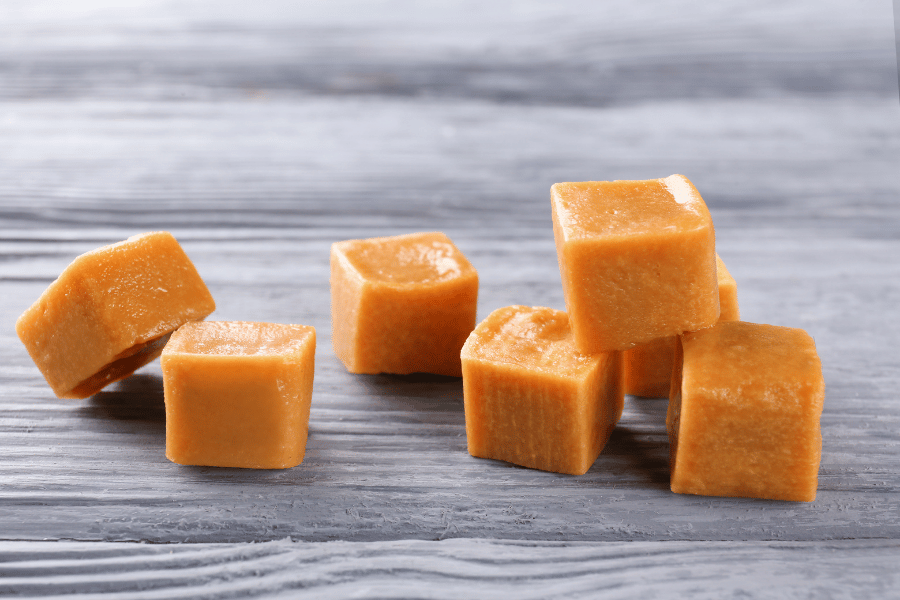
- Slightly dark brown shade
- Non-glossy texture
- No strong smell
- No white crystals
- Ingredients: Only sugarcane juice
If buying in UAE or USA, check:
- USDA Organic label
- EU Organic
- India Organic
- Middle East Organic Certificates
How to Use Organic Jaggery Daily
Here are simple ways to include jaggery naturally:
- Add to tea or coffee instead of sugar
- Mix in warm milk
- Replace sugar in desserts
- Use in ladoos, chikki, porridge
- Add to lemon water on cold days
- Use in baking for a rich taste
Start with small portions and adjust based on taste.
Possible Side Effects (Honest Note)
Everything natural is good—but still needs moderation.
Excess jaggery may cause:
- Weight gain
- Blood sugar spikes
- Issues for diabetics
If you have a medical condition, always check with a healthcare professional first.
Final Thoughts
Organic jaggery is one of the easiest, healthiest swaps you can make.
It’s natural, minimally processed, nutrient-rich, and deeply rooted in traditional eating habits.
For anyone trying to move toward clean eating or reduce refined sugar, jaggery is a sweet place to start.
FAQs
1. Is organic jaggery better than sugar?
Yes. Organic jaggery contains vitamins, minerals, and antioxidants—while sugar is nutritionally empty.
2. Can diabetics eat jaggery?
No sweetener is ideal for diabetics. Jaggery may be slightly better, but it still raises blood sugar.
3. Can jaggery be used daily?
Yes, in small amounts—especially after meals or in morning drinks.
4. Where can I buy organic jaggery in UAE/USA?
- UAE: Amazon.ae, Kibsons, Organic & Real
- USA: Amazon.com, Whole Foods, Indian/Asian stores
5. Is jaggery good for kids?
Yes, when given in moderation. Avoid for children under 1 year.









1 comment